In short: Technology can help districts improve individualized education plan (IEP) outcomes by making it easier to deliver services as written, monitor progress toward goals, and keep teams connected. The most useful tools support IEP team decisions with timely data, reduce documentation work, and help identify service gaps early.
An IEP is only as effective as its implementation. During the 2022-23 school year, public schools served about 7.5 million students ages 3 to 21 under the Individuals with Disabilities Education Act (IDEA). That represents roughly 15% of total public school enrollment, according to the National Center for Education Statistics (NCES). Behind each student is a plan with goals, timelines, and services that teachers, staff, administrators, and caregivers need to understand.
For special education coordinators and program specialists, the challenge doesn’t end with writing a compliant plan. It’s keeping service delivery, data collection, and team communication connected across campuses and throughout the school year. Technology can help teams close these gaps, simplify routine documentation, and help teams stay focused on student success.
What does it mean to improve IEP outcomes?
Improving IEP outcomes generally means helping students make meaningful progress toward their annual goals, based on their individual needs and circumstances.
Two important parts of that work are IEP implementation and progress monitoring:
- IEP implementation is the delivery of the specialized instruction, related services, and accommodations specified in a student’s plan.
- IEP progress monitoring is the ongoing collection of data to measure a student’s progress toward annual goals over time.
The standard for meaningful progress comes from the landmark 2017 U.S. Supreme Court decision in Endrew F. v. Douglas County School District RE-1. The Court held that an IEP must be “reasonably calculated to enable a child to make progress appropriate in light of the child’s circumstances.”
Federal regulations also require every IEP to describe how progress toward annual goals will be measured and when periodic progress reports will be provided.
Together, these requirements show why reliable data matters. Without regular, clear progress information, an IEP team may not be able to tell whether an intervention is working or needs adjustment.
Where do IEPs most often break down?
Even well-written IEPs can run into challenges during daily implementation. Services start late, therapy sessions get missed, or documentation lives in scattered notebooks and separate spreadsheets.
A 2024 report from the U.S. Government Accountability Office (GAO) noted that staffing shortages led to delayed or missed services for some students, as well as delays in completing initial evaluations. GAO based this on visits to 16 districts across four states. These findings aren’t a national sample, but they reflect the operational challenges many coordinators manage every day.
Staffing pressures remain widespread. In a March 2024 national survey of public schools, 51% reported needing to fill special education teaching positions before the start of the next school year, a higher demand than for any other teacher specialty.
Technology cannot solve a staffing shortage on its own. It can, however, make the remaining work easier to see, schedule, and document without overwhelming staff.
How can technology support IEP implementation?
The right technology can help special education teams keep student plans, schedules, and service logs organized and accessible in one place. When evaluating potential tools, coordinators, educators, and staff should look for five practical capabilities:
- Centralized student plans: A single, up-to-date digital record that gives authorized team members access to current accommodations and goal targets
- Real-time service tracking: In-the-moment session logging that provides visibility into service minutes, missed sessions, and make-up plans
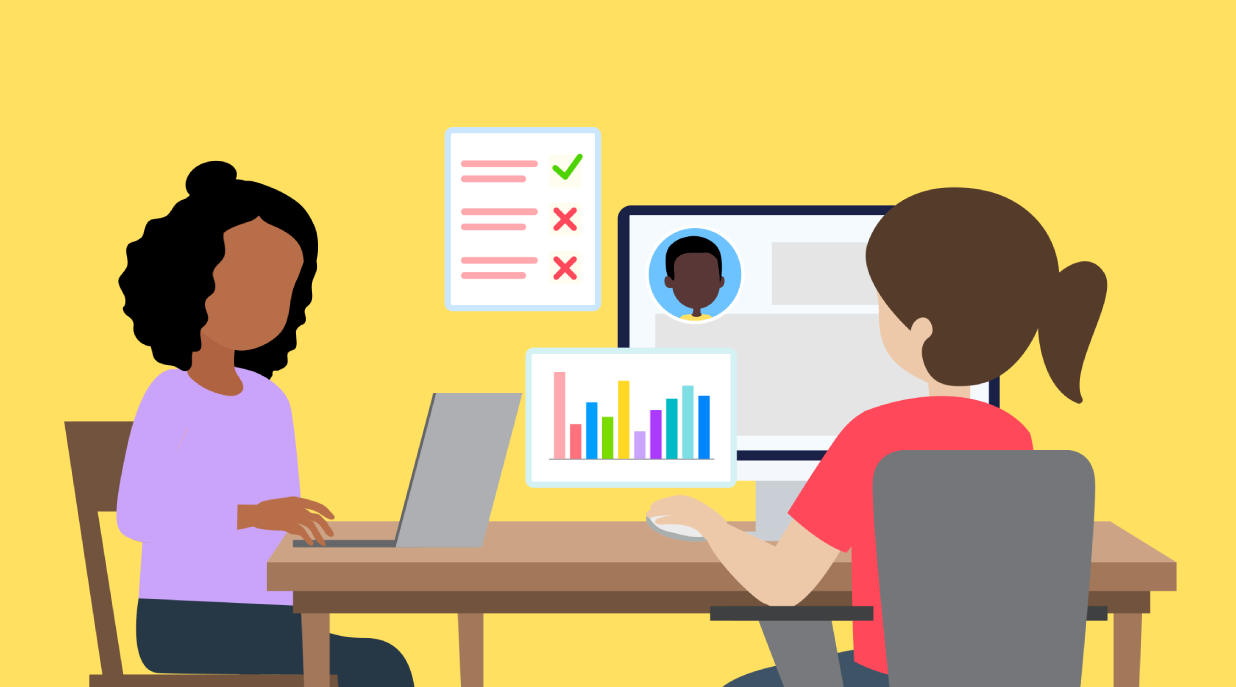
- Structured progress monitoring tools: Simplified data collection tied directly to IEP goals, generating visual updates for regular reviews and annual meetings
- Automated deadline and task alerts: System reminders for consent timelines, evaluation due dates, and annual reviews that keep teams ahead of key deadlines
- Unified team communication: A shared record of notes and observations, keeps teachers, related service personnel, and families aligned
How does progress monitoring improve IEP goals?
Progress monitoring provides the objective data teams need to determine whether a student is responding to instruction.
The National Center on Intensive Intervention (NCII) describes data-based individualization (DBI) as a research-based way to adapt and intensify support using assessment data and proven interventions. NCII also emphasizes that gathering and graphing data is only part of the process. Teams also need clear ways to see what’s working and when to make adjustments.
When progress data shows a student is not making expected gains, the IEP team can meet to review and revise the plan. Digital tools can support this process by keeping data current, organized, easy to visualize, and accessible to the people who need it.
What should coordinators and educators look for in special education technology?
Districts may use IEP management software, service-tracking tools, and digital progress-monitoring systems to keep plans, services, and student data organized.
The most useful tools fit naturally into existing routines rather than adding extra paperwork. Before adopting new technology, consider asking these practical questions:
- Does the tool match how teachers and service providers already work day to day?
- How does the system protect student information, support FERPA requirements, and control who can access data?
- Can the software adapt to your state’s specific IEP forms and compliance timelines?
- Does it work smoothly across school sites, service areas, and third-party providers?
- What onboarding, ongoing training, and technical support come with the tool?
- What specific metrics will you use after six months, or sooner, to confirm that the tool saves time and improves data quality?
Technology should make it easier for staff to do their jobs, not create more work. Getting input from the people who will use the system every day can help districts make more informed decisions.
How can districts roll out new technology without overloading staff?
A thoughtful rollout can make new technology easier for teams to adopt. Rather than introducing several new workflows at once, start small, establish clear ownership, and track progress over time.
A practical rollout strategy includes:
- Focus on one priority first: Start with a high-friction area, such as service tracking or progress reporting
- Run a small pilot: Test the tool with one school building or multidisciplinary team before expanding district-wide
- Involve staff early: Engage special educators and service providers during the pilot so the technology reflects everyday realities
- Assign a data owner: Designate someone to oversee data quality, user permissions, and consistent workflows
- Review after one semester: Gather staff feedback and review data accuracy before scaling up
See how Volusia County Schools brought student records together to give teams better visibility and make everyday workflows easier.
Where does Presence fit?
Presence works alongside school teams to help districts manage, deliver, and track student supports. Education Modified, the Presence solution for special education management, collaboration, and compliance, brings student plans, goal tracking, and team communication into one organized place.
To explore practical ways to keep services on track and teams aligned, check out our guides on 7 common IEP implementation gaps and how districts can solve them, or read more about smarter service delivery through technology.
FAQ
What is IEP progress monitoring?
IEP progress monitoring is the regular, systematic collection of data to track a student’s progress toward annual goals. Under IDEA regulations, every IEP must describe how progress will be measured and state when progress reports will be provided to parents.³
How can technology help with IEP compliance?
Technology supports compliance efforts by organizing student documents, tracking completed service minutes, and providing automated deadline alerts. While technology helps teams manage compliance workflows, legal requirements still depend on federal law, state rules, and district policy.
Can technology replace IEP team decisions?
No. All decisions regarding a student’s special education program, accommodations, and placement belong to the IEP team, which includes parents. Technology provides timely data to inform discussions, but the IEP team makes the decisions.
What are the most common IEP implementation problems?
Common problems include delayed service starts at the beginning of the school year, missed therapy sessions without clear make-up plans, inconsistent documentation across campuses, and communication gaps between providers. GAO findings highlighted how staffing shortages contributed to these operational delays in districts it visited.⁴
How should a district start with special education technology?
Start by identifying the workflow causing the most friction, piloting a solution with a small team, and reviewing feedback and data accuracy after one semester before expanding further.