

A well-designed Individualized Education Program (IEP) is only as effective as its implementation. From determining present levels of performance and developing goals to delivering services and monitoring progress, every stage of the IEP process depends on educators, related service providers, administrators, and families working together to support students.
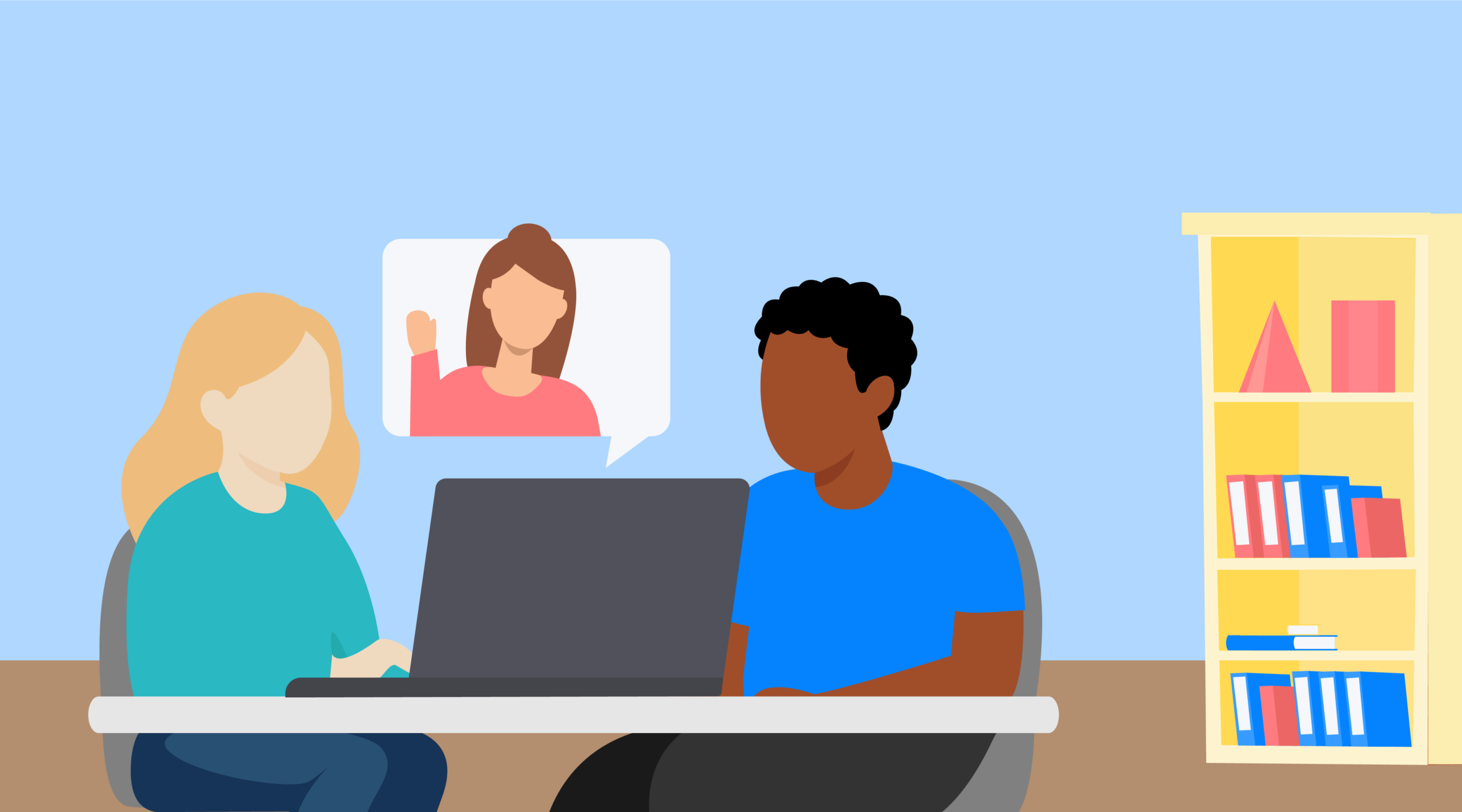
IEP teams work best when everyone understands their role and has the information they need to support students—whether services are delivered onsite, remotely, or through a combination of both. Improving collaboration doesn’t always mean adding more meetings to everyone’s plate. More often, it’s about creating shared expectations and systems that help teams stay aligned.
The reality of multidisciplinary teams
An IEP team is naturally multidisciplinary. While every student’s plan is unique, the core team typically relies on:
- Classroom educators (both general and special education teachers) who manage day-to-day instruction and classroom accommodations
- Specialized clinicians (such as SLPs, OTs, and mental health providers) who deliver targeted, skill-building therapy
- School psychologists and administrators who provide diagnostic insights, ensure compliance, and allocate district resources
- Families and caregivers who offer essential context on how the student generalizes skills at home
Because these roles are so distinct, they often operate in silos. True collaboration isn’t just about sharing a student roster; it is about ensuring these different disciplines are actively reinforcing the same skills.
Why collaboration matters
Strong collaboration helps turn well-designed IEPs into consistent student support.
When educators, providers, and administrators stay aligned, districts are better positioned to:
- Deliver services consistently
- Reinforce strategies across learning environments
- Identify concerns earlier
- Adjust supports more proactively
- Strengthen communication with families and caregivers
Collaboration also reduces duplicated work, improves continuity during staffing changes, and helps students experience more consistent support throughout their school day.
4 common barriers to collaboration
Most collaboration challenges stem from busy schedules, disconnected systems, and competing priorities.
1. Limited time for communication
Related service providers often support multiple schools while teachers balance instruction, meetings, and documentation. Without dedicated opportunities to connect, important updates can be delayed or missed.
2. Information lives in too many places
When accommodations, IEP goals, service documentation, and progress updates are stored across multiple systems, teams spend more time searching for information—and less time supporting students.
3. Unclear roles and responsibilities
Questions about who communicates with families, monitors goals, or updates accommodations can create confusion and lead to inconsistent implementation.
4. Staffing changes throughout the year
New providers, substitute staff, and changing caseloads can disrupt continuity unless districts have systems that make student information easy to access and share.
Build systems that make collaboration easier
Strong collaboration doesn’t require more work—it requires better systems.
Clarify team responsibilities
Every IEP should clearly define who is responsible for services, accommodations, progress updates, and family communication. Shared expectations reduce misunderstandings and improve accountability.
Create simple communication routines
Collaboration shouldn’t begin and end with annual IEP meetings. Short implementation check-ins throughout the year can help teams:
- Share student progress
- Discuss emerging concerns
- Coordinate upcoming services
- Adjust interventions when appropriate
Consistent communication often prevents larger challenges later.
Keep documentation accessible
Easy access to accommodations, service documentation, and progress updates helps teams stay aligned, reduces duplicated work, and gives IEP teams shared visibility into student progress. That makes it easier to identify trends, make informed decisions, and adjust support throughout the school year.
Align classroom instruction and related services
Students benefit most when classroom instruction and related services reinforce one another.
For example:
- Speech-language pathologists can reinforce vocabulary introduced during classroom instruction
- Occupational therapists can recommend classroom strategies that support handwriting, sensory needs, or self-regulation
- School psychologists can collaborate with educators to reinforce emotional regulation strategies throughout the school day
These shared approaches create more consistent learning experiences across classrooms, therapy sessions, and other learning environments.
Families and caregivers are essential members of the IEP team
Families aren’t just participants during annual meetings—they’re active partners throughout IEP implementation.
Districts can strengthen those partnerships by:
- Sharing progress updates regularly
- Explaining services in family-friendly language
- Creating opportunities for questions
- Maintaining consistent communication across providers
When families understand how services are being delivered, they’re better equipped to reinforce learning and support student progress at home.
How technology supports collaboration
Technology can strengthen team-based remote IEP implementation by bringing remote providers into the same workflows as onsite educators, administrators, and families. Shared visibility into IEP goals, accommodations, documentation, schedules, and student progress helps the full team coordinate services, reinforce strategies, and make informed decisions together.
Purpose-built platforms can help teams:
- Share documentation
- Track progress toward IEP goals
- Coordinate schedules
- Maintain visibility into accommodations
- Reduce duplicate work
For districts delivering virtual related services, Kanga brings scheduling, service delivery, and documentation together in one secure platform.
Schools managing accommodations and instructional supports across classrooms may also benefit from Education Modified, helping educators and providers stay aligned around student needs.
Questions every district leader should ask
Creating a collaborative culture often starts with evaluating the systems that support your teams.
Consider asking:
- Do providers have dedicated opportunities to communicate with educators?
- Are responsibilities clearly defined across the IEP team?
- Can staff quickly access accommodations, documentation, and student information?
- Are families included throughout implementation, not just annual meetings?
- Do existing systems support collaboration across multiple schools and campuses?
Improving collaboration often begins by removing operational barriers rather than expecting educators and providers to simply work harder.
Better collaboration leads to better student support
Better student outcomes, not collaboration itself, are the real goal. When educators, providers, administrators, and families have the tools and systems to work together effectively, students benefit from more consistent support and greater opportunities to make progress toward their IEP goals.
Looking for more ways to strengthen your district’s IEP implementation?
Explore 7 common IEP implementation gaps and how districts can solve them to learn practical strategies for improving consistency, communication, and student support.