
To create an inclusive and effective classroom, schools must shift from a “one-size-fits-all” curriculum to Universal Design for Learning (UDL), a framework that prioritizes flexibility and accessibility. By removing systemic barriers and acknowledging that diversity is the norm rather than the exception, educators can ensure that every student—regardless of ability or background—has an equal opportunity to succeed. The ultimate goal for school districts is to move beyond mere compliance and foster a culture of learning that strategically serves every student.
And its impact is clear: A study published in late 2025 found that institutions fully engaging all three UDL principles saw a 37.4% increase in overall learner performance and a 42.8% increase for disengaged learners.
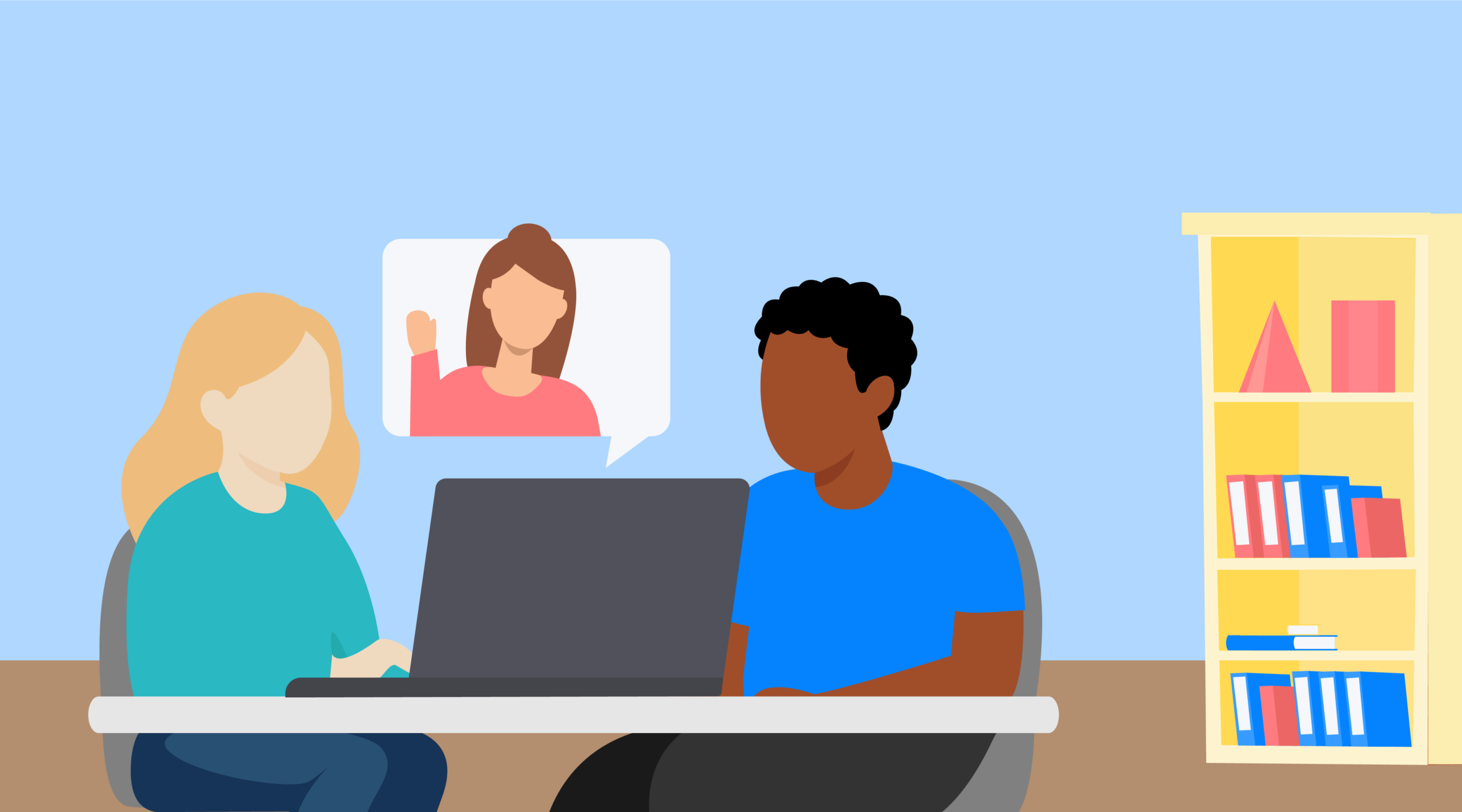
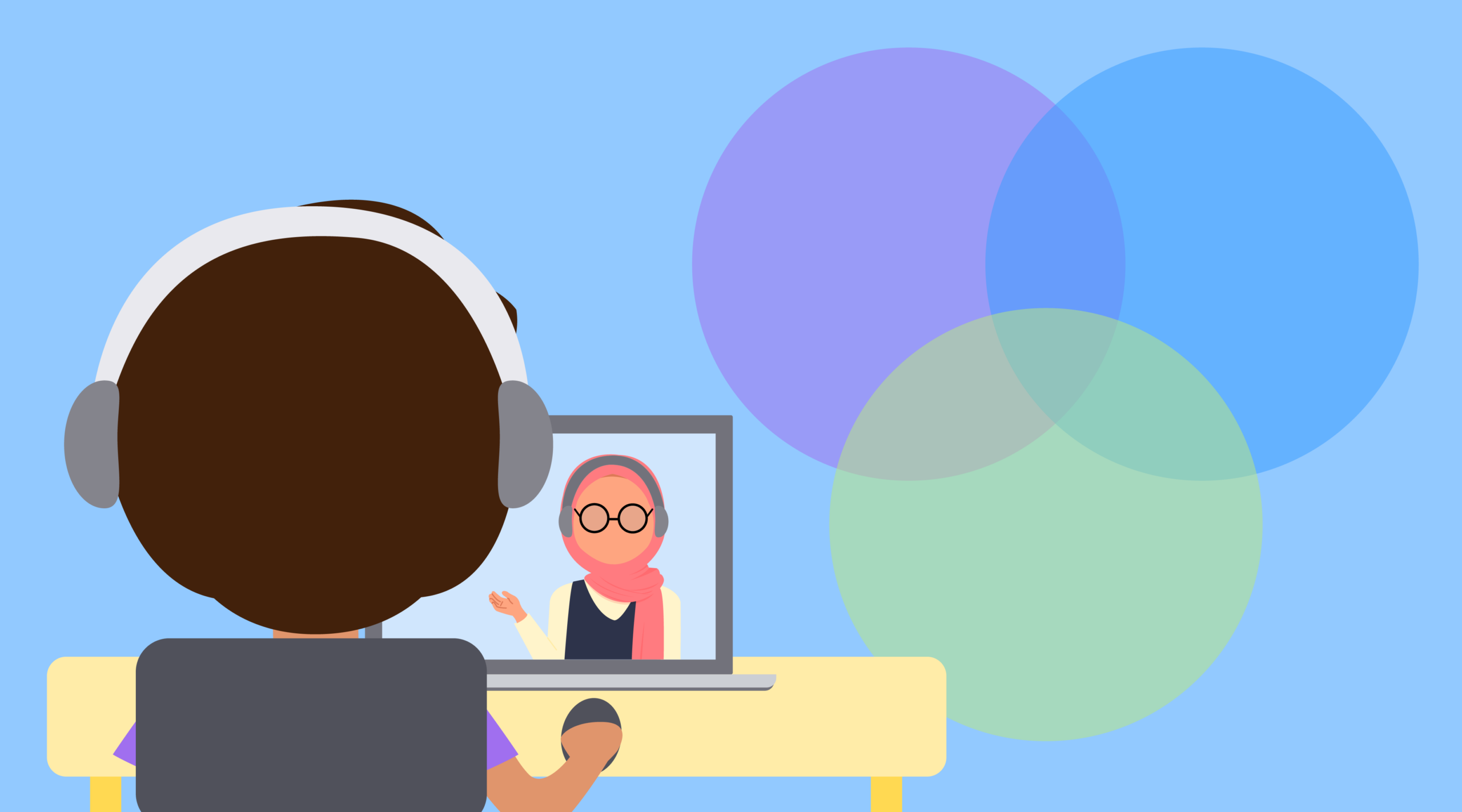
Teletherapy has emerged as an important part of implementing UDL from the start. It uses digital tools and flexible environments that align with the three core principles of UDL. Rather than simply delivering a service, teletherapy provides a foundation, helping schools put UDL into practice and meet a wider range of student needs.
The staffing gap and the struggle to get started
UDL can make a big impact on outcomes for diverse learners. But districts often struggle with implementing effective UDL strategies in their schools. Persistent provider shortages and geographic constraints can make it difficult to provide the personalized support that inclusive design requires. When licensed providers are stretched thin or campuses are spread out, flexible support becomes much harder to sustain. For many districts, the barrier to UDL is not a lack of vision, it’s more a lack of capacity.
Teletherapy: A scalable solution that turns UDL into action
Teletherapy offers a practical path forward, providing the flexibility that UDL requires. It allows schools to remove traditional barriers and expand access to licensed providers and impactful services, building inclusive systems that aren’t limited by geography or staffing constraints.
In practice, teletherapy supports the three core principles of UDL, helping schools translate UDL from a framework into everyday student experiences. The pillars include multiple means of:
1. Engagement: The “why” of learning
Teletherapy helps keep students engaged by creating flexible, comfortable, and interactive experiences that meet them where they are.
- Personalized environments: Students can participate in therapy in spaces where they feel comfortable, whether at home or in a quiet area at school, reducing anxiety often associated with traditional pull-out services.
- Interactive, interest-based tools: Digital activities and game-like elements can align with student interests, turning sessions into engaging, high-interest experiences.
2. Representation: The “what” of learning
By presenting information in multiple ways and through a variety of learning activities, teletherapy helps more students access and understand content in ways that work for them.
- Multimodal content: Teletherapy supports visual aids, screen sharing, and interactive tools, allowing providers to present information through video, text, and audio at the same time.
- Built-in accessibility: Features like adjustable visuals, and digital supports help ensure information is accessible to students with a range of sensory needs.
3. Action and expression: The “how” of learning
Teletherapy gives students more ways to participate and communicate what they know.
- Digital expression: Students can engage using interactive visuals, drawing tools, and other digital supports.
- Flexible executive functioning: Students can demonstrate progress in different ways, whether speaking, typing, or interacting with digital elements.
Implementation considerations for school leaders
Districts that integrate remote services effectively should:
- Ensure reliable and accessible technology across school sites
- Provide a consistent, quiet space for virtual sessions
- Identify an on-site support person to act as a bridge for the student
- Align virtual services with existing IEP and MTSS processes
These steps help ensure that teletherapy strengthens existing programs rather than adding complexity.
The future of more inclusive and flexible service delivery
As schools continue to evolve, the connection between service delivery and instructional design is becoming more visible. Teletherapy is not a separate layer, it’s an essential vehicle for helping schools build inclusive systems that adapt to student needs.
UDL provides a structure for inclusive design, while teletherapy helps bring that framework to life by expanding access and connecting teams. That’s where the right partner and platform matter.
Bringing flexible, student-centered support to life
Universal Design for Learning challenges schools to design for variability from the start. Teletherapy can help advance that work by providing flexible pathways for engagement and access to critical services.
Through teletherapy solutions designed for school-based environments, including platforms like Kanga by Presence, districts can expand access, reduce administrative strain, and deliver more consistent, high quality support. By combining purpose-built technology with a network of specialized clinicians, Presence helps schools support MTSS and IEP workflows without adding complexity.
Learn more about how Presence supports consistent, school-based services →