
Introduction
Teletherapy is no longer a new way of working for special education practitioners and providers. It’s become a seamless part of the daily support students receive nationwide. But as virtual services expand, many districts are asking how teletherapy can fit within existing school systems.
The answer lies in integrating teletherapy directly into a Multi-Tiered System of Supports (MTSS).
Rather than seeing teletherapy as a siloed or separate service, virtual services can weave directly into student interventions and evaluations. By recognizing that provider capacity is often stretched thin, districts can use MTSS to prioritize student needs and ensure that more learners with diverse needs receive the right level of support.
In conversations with school partners and providers, the same challenges come up again and again: growing student needs, limited provider capacity, and fragmented systems that make coordination difficult. MTSS helps providers navigate that complexity by prioritizing student needs and identifying where teletherapy can have the greatest impact.
Why MTSS matters for teletherapy delivery
MTSS is more than an academic framework. It’s a system for organizing support across a wider range of student needs—including evaluations, speech-language, mental health, and occupational therapy services.
For educators, MTSS helps answer four essential questions:
- Which students are demonstrating need?
- When should a student receive support?
- What level of support is appropriate?
- How should progress be monitored over time?
In practice, teletherapy is a delivery method within that system, not a separate track. This distinction is critical, especially as schools and providers face more complex student needs. Providers working within MTSS-aligned systems are often better positioned to prioritize students based on need and balance direct services with consultative support.
Teletherapy’s role across the 3 MTSS tiers
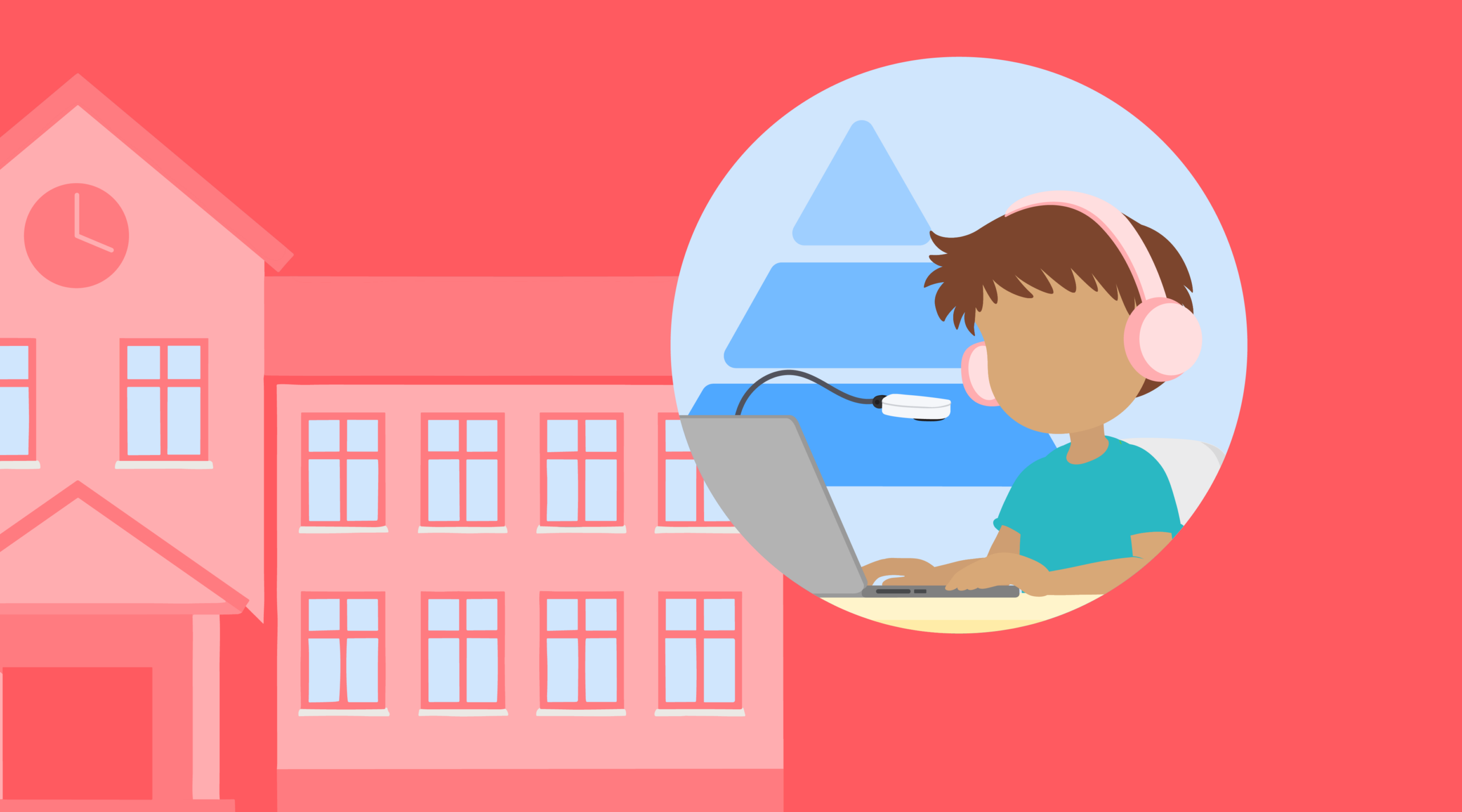
MTSS organizes support into three tiers: universal supports, targeted interventions, and intensive, individualized services. Teletherapy plays a unique role in each tier:
- Tier 1: Universal supports
Providers can support universal best practices by consulting with educators on communication strategies or sharing tools that reinforce social-emotional skills. Teletherapy platforms enable this collaboration even when practitioners and providers are not physically onsite. - Tier 2: Targeted interventions
This is where teletherapy is most visible. For example, practitioners may provide small-group sessions or short-term, targeted interventions. Because teletherapy reduces travel constraints, schools can respond earlier, before needs intensify.
- Tier 3: Individualized services
Teletherapy supports students who require specialized services, such as individualized speech-language therapy or mental health counseling. By utilizing platforms like Kanga by Presence, practitioners and providers can deliver consistent, high-quality support even when in-person resources are limited.
Teletherapy can be a key factor in evaluations and decision-making
One of the most important connections in MTSS is between intervention and evaluation. Practitioners play a key role in ensuring that teletherapy data contributes meaningfully to decision-making. This can include:
- Documenting progress during Tier 2
- Sharing insights with evaluation teams
- Helping distinguish between skill gaps and potential disabilities
When referrals move forward, teletherapy can also support timely assessments through services like psychoeducational evaluations. In recent Presence webinars, school leaders noted that strong evaluation practices rely on multiple data sources. Teletherapy data becomes a vital piece of that puzzle, helping teams build a more complete picture of each student.
How teletherapy fosters collaboration across school teams
MTSS is inherently collaborative and teletherapy works best when it strengthens—not replaces—those connections.
Providers can support alignment by:
- Communicating regularly with educators about student progress
- Aligning teletherapy goals with classroom instruction
- Participating in MTSS or problem-solving meetings when possible
In district examples shared in recent discussions, strong partnerships between virtual practitioners and onsite teams were often cited as a key factor in success. Open communication, shared expectations, and mutual respect help ensure that teletherapy fits naturally into school systems.
Managing caseloads within an MTSS-aligned teletherapy model
MTSS creates structure around prioritization for practitioners balancing large caseloads. Within an MTSS-aligned model that includes virtual services, providers can:
- Allocate time based on tiered levels of need
- Use Tier 2 interventions to reduce unnecessary referrals
- Focus intensive services where they are most needed
This approach supports a more sustainable workload for providers. It also potentially reduces recruitment costs and scheduling disruptions by allowing remote specialists to flex their time where it’s needed most.
Maintaining student-centered practice across tiers
While MTSS provides the structure, the student remains the heart of the process. A thoughtful teletherapy system handles the logistical paperwork, giving providers the space to focus on the individual learner in real time where they can:
- Adjust service delivery based on student response
- Incorporate student feedback when appropriate
- Embrace flexible approaches that reflect individual strengths and needs
Ultimately, keeping the student at the center helps guide decisions about both intervention and evaluation. Teletherapy provides the responsive environment needed to turn high-level goals into daily student wins.
Practical tips for providers implementing teletherapy within MTSS
When implementing teletherapy within MTSS, small considerations can make a big difference:
- Create a consistent, distraction-minimized environment
- Coordinate with onsite staff for transitions and engagement
- Document sessions in alignment with MTSS and IEP processes
- Monitor progress regularly and adjust interventions
These consistent practices help teletherapy feel like a seamless extension of onsite services, improving collaboration across teams.
Teletherapy, powered by the right system, drives stronger MTSS outcomes
A strong MTSS program depends on more than service delivery, it depends on the systems that support it.
Platforms like Kanga by Presence are built specifically for school-based service delivery, bringing together evaluations, therapy sessions, documentation, and progress tracking in one place. This level of visibility and coordination helps teams stay aligned, maintain compliance, and reduce the administrative strain that often pulls providers away from their core work.
When service delivery is supported by a purpose-built system, providers can spend less time navigating logistics and more time focused on students.
MTSS provides the structure for delivering the right support at the right time, while teletherapy strengthens that structure by enabling more consistent services across tiers. Together, they create a more connected, coordinated approach—one that helps schools support students more effectively over time.