

Introduction
In the landscape of special education related services in preK-12 schools, virtual service delivery, also known as teletherapy, can be a game-changer. Teletherapy, delivered via secure digital platforms, can redefine how schools meet the needs of students with Individualized Education Programs (IEPs).
At Presence, we’ve seen firsthand how school-based teletherapy—when delivered through innovative technology and with deep clinical expertise—can unlock access and help school districts navigate provider shortages.
1. The rise of teletherapy in special education
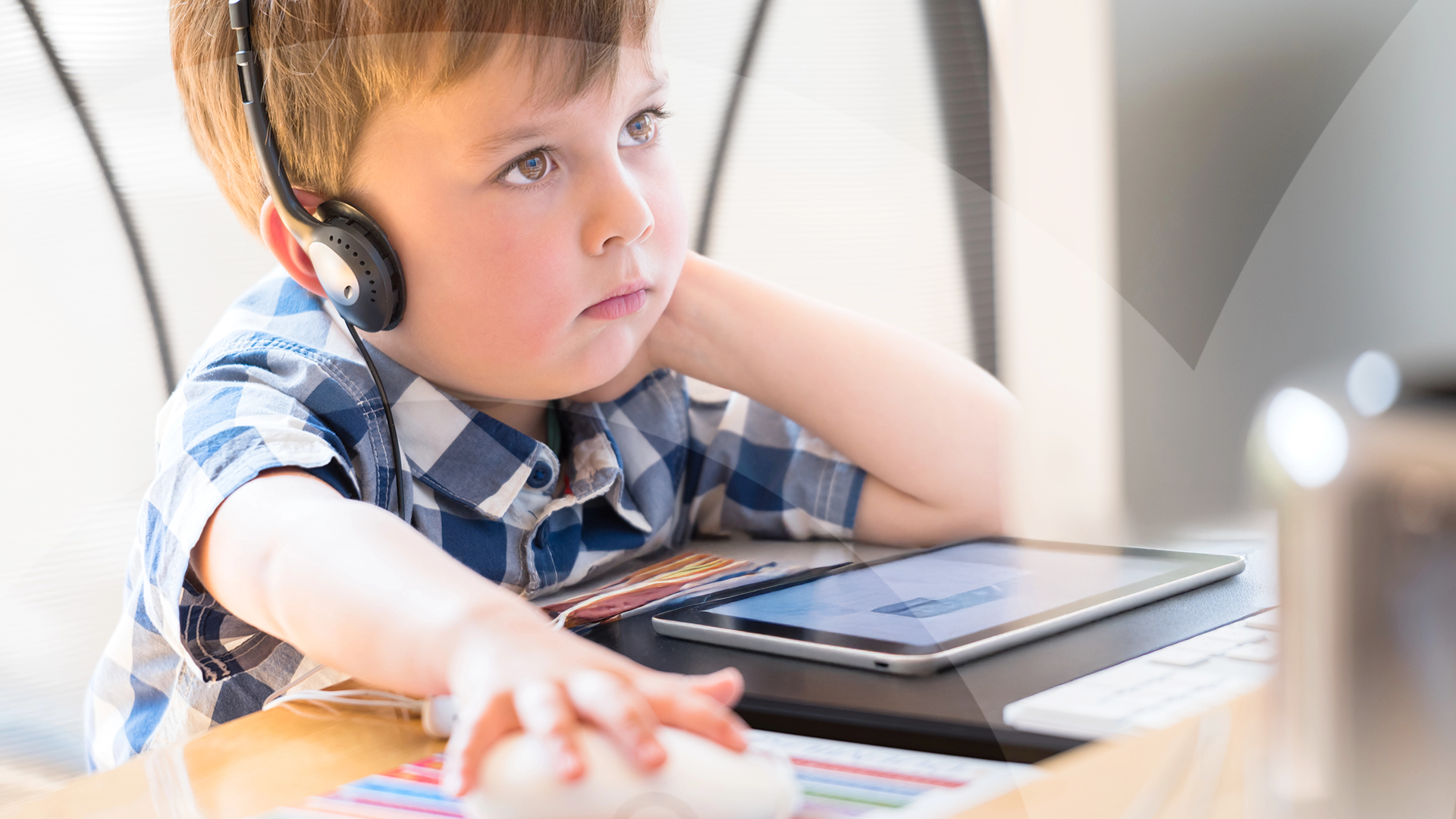
In the context of special education related services, teletherapy is the delivery of evaluation and therapy services—including speech-language pathology therapy, occupational therapy, psychoeducational evaluations, mental health counseling, and behavioral interventions—via secure digital platforms.
Teletherapy for schools accelerated rapidly during the height of the pandemic and continues to be integrated into many special education programs nationwide, breaking down geographic and logistical barriers.
Advances in broadband connectivity, a growing availability of platforms built with privacy protections in mind (e.g. FERPA, HIPAA), and increasing demand mean even rural schools can now connect with expert clinicians remotely. We’ve seen school districts across the country address key challenges by embracing teletherapy and virtual evaluations.
2. Expanding access and equity through teletherapy
In special education, access and equity mean that eligible students receive services on time and in line with federal requirements. Teletherapy can help school districts get closer to that goal.
In the traditional in-person model, some communities face long waitlists due to a lack of specialists in the area. Travel may be costly, scheduling can be difficult across locations, and even well-resourced schools may struggle to maintain consistency. Teletherapy can help change that dynamic. Remote clinicians can join a student’s team quickly, potentially eliminating travel delays and creating reliable coverage. Bonnie Contreras, Vice President of Clinical Solutions at Presence, also shares how virtual services can support school psychology and assessments by expanding access and supporting more consistent evaluation timelines.
Teletherapy can help school districts provide consistent services across campuses year over year, even when local specialist availability changes. Presence, for instance, supports school districts with a network of remote providers and teletherapy services that can flex to unique needs.

3. Addressing mental health needs with virtual support
School-based services—such as counseling, behavioral interventions, and emotional support—can play an important role in students’ learning and engagement. Virtual delivery has expanded how schools can provide services, especially where in-person capacity is limited. As school psychologist Melissa L. Mitchell, PsyD, EdS, notes, teletherapy can foster a “comprehensive and holistic approach to mental health in schools.”
Teletherapy may help schools reach students who feel hesitant about in-person support. Meeting online can reduce stigma, increase comfort, and allow students to express themselves more freely.
Teletherapy can also increase flexibility in scheduling for students and providers. Instead of limiting student sessions to the availability of onsite providers, virtual sessions can be coordinated around the academic day.
4. Integrating technology for effective teletherapy delivery
In our experience, many schools already have the technology required for teletherapy. A laptop or tablet with a webcam, reliable internet, and a quiet space can support effective virtual service delivery.
School districts who turn to teletherapy can get off to a good start with an audit:
- Are devices updated?
- Is the internet stable?
- Do students have a private space where they can focus?
Once the basics are set, choosing the right platform matters. Schools should turn to tools that are designed with student privacy and security in mind to protect student data. Ongoing training on delivering teletherapy for providers and educators can help teams approach virtual sessions confidently.
Kanga, Presence’s online platform for remote assessments and teletherapy, allows providers to conduct evaluations, monitor progress, and document case notes in one place.
5. Setting up teletherapy in schools
Teletherapy may feel unfamiliar for schools at first, and may come with a few common challenges. In our work with over 10,000 schools across the country, we’ve helped schools address issues of student engagement and find providers with the right state licensure.
We’ve found that school districts that do well with teletherapy usually take a few key steps:
- Run tech-readiness checks before the year begins
- Orient students and families so expectations are clear
- Identify and prepare an on-the-ground support person or facilitator (such as a paraprofessional, aide, or even a trusted parent) to assist students during virtual sessions
- Set aside designated, distraction-free spaces for virtual services
- Partner with providers who understand the unique world of PreK-12 special education.
Presence supports districts through teletherapy solutions, FERPA- and HIPAA-compliant technology, and provider onboarding to make teletherapy implementation as smooth as possible.
6. Choosing the right teletherapy partner
In selecting potential teletherapy partners, school districts should look for teams that can understand their existing workflows, communicate effectively with IEP teams, and provide licensed providers who meet state requirements.
Teletherapy partners like Presence, who focus on PreK-12 students, can help school districts by delivering:
- Experienced providers with valid state licensure
- Secure and compliant technology
- Remote services that can be personalized to align with each student’s IEP
- Coordination and communication with teachers and staff
- Ongoing tech and clinical support for the district
7. Customizing teletherapy to meet IEP requirements
In school settings, teletherapy is delivered in alignment with a student’s IEP. Virtual service delivery doesn’t change the fundamentals of service delivery: sessions are designed around IEP goals, progress is monitored, and documentation must be clear and timely.
In practice, this looks like:
- Teletherapists reviewing IEP goals and designing sessions around them
- Real-time progress tracking during each session
- Regular updates shared with educators and families
- Data used to inform IEP meetings and ongoing adjustments
Presence supports this work with a platform that helps teams see progress unfold over time and maintain compliance with confidence.
8. Understanding the investment in school-based teletherapy
School districts may be concerned about the affordability of teletherapy. While pricing varies by solution, virtual services can potentially support more predictable budgeting with fewer interruptions.
Teletherapy can help reduce recruitment costs, travel time, and scheduling disruptions. Remote providers can support shifting caseloads when needs change, and virtual delivery may help reduce cancellations tied to commuting or site availability.
Our school partners often find that the long-term benefits of teletherapy—steady service delivery, access to more providers, and fewer missed sessions—lead to more consistent, efficient use of resources over time.
The future of teletherapy in special education
Teletherapy continues to evolve, with schools playing an active role in shaping its development. Over time, we’ve seen greater interest in hybrid models that blend virtual and in-person services, a growing availability of digital dashboards with real-time progress data, and emerging technologies that promise to reduce administrative strain while supporting better decision-making.
As these innovations expand, teletherapy can continue to strengthen the link between educators, students, and providers. The focus remains the same: helping every student receive the support they need, when they need it.
Conclusion
Teletherapy can be a long-term solution for schools nationwide that serve students with diverse needs. With secure technology, experienced providers, and an emphasis on access and equity, school districts can support more consistent special education related services across their communities.
Explore more insights and case studies to learn more about the impact of teletherapy.